World Leaders Gather for Urgent Climate Summit Amid Rising Temperatures and Unprecedented Natural Disasters
The international community is converging on the United Nations headquarters in New York City for an unprecedented climate summit, with world leaders facing mounting pressure to take drastic action to mitigate the worst effects of global warming. As temperatures continue to soar and devastating natural disasters intensify, the stakes are higher than ever, with the clock ticking down to a crucial deadline for nations to submit new, more ambitious targets to reduce greenhouse gas emissions under the Paris Agreement.
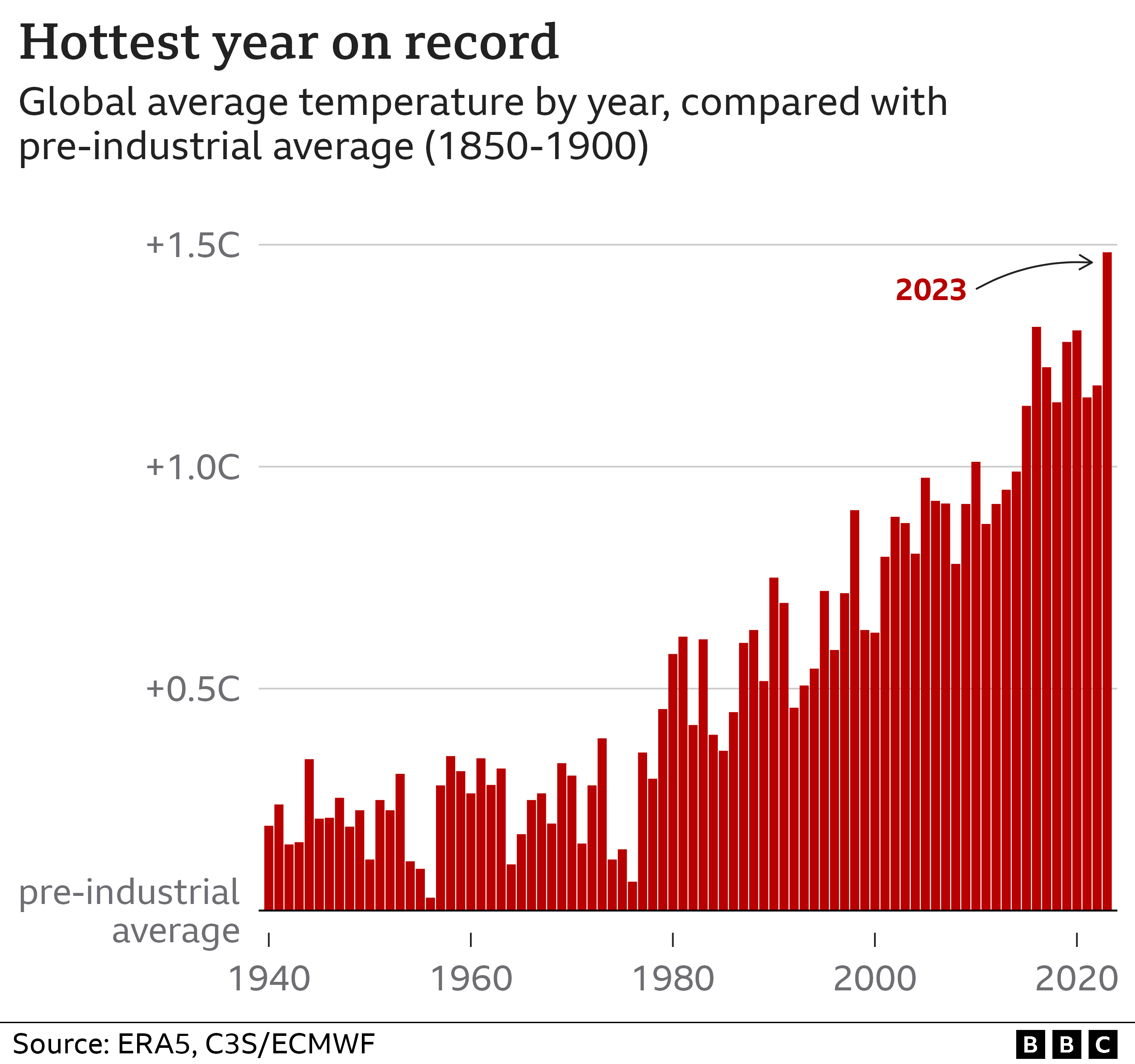
At the heart of the summit is the urgent need for collective action to address the accelerating climate crisis, which has already begun to show alarming signs of tipping points being reached. Rising temperatures are fueling more frequent and intense heatwaves, droughts, and storms, displacing communities and threatening food security, while also exacerbating humanitarian crises. As the International Energy Agency (IEA) has warned, if the world fails to limit global warming to 1.5 degrees Celsius above pre-industrial levels, the consequences will be catastrophic, with potentially irreversible damage to ecosystems, economies, and human societies.
Against this backdrop, the UN Climate Summit, convened by Secretary-General António Guterres, is bringing together nearly 100 world leaders, including heads of state, government ministers, and business leaders, to pledge new commitments to reducing emissions, protecting biodiversity, and promoting climate resilience. "We must not forget that climate change is not a distant threat, but a pressing reality that requires immediate action," Guterres emphasized in a statement. "We must work together to meet the challenge of the century, and we must succeed."
As the summit gets underway, here are some key takeaways on the global climate crisis and the urgent need for collective action:
The Climate Crisis: Key Facts and Figures
• The world has warmed by approximately 1.1°C since the late 19th century, with 20 of the 21 warmest years on record occurring since 2000.
• Global carbon emissions have increased by 65% since 1990, despite efforts to reduce emissions through international agreements and national policies.
• Climate-related disasters have resulted in over $150 billion in economic losses annually, with the number of affected people growing from 22 million in the 1990s to 340 million in the 2010s.
• The IPCC warns that the world has just over a decade to limit warming to 1.5°C above pre-industrial levels, with significant consequences for ecosystems, economies, and human societies if this target is missed.
Country Commitments: What's at Stake?
Cutting Emissions: A Global Challenge
Countries are under pressure to submit new, more ambitious emissions reduction targets to the UN by 2023, under the Enhanced Transparency Framework (ETF) of the Paris Agreement. The EU has already pledged to reduce emissions by at least 55% by 2030, while China has vowed to peak emissions by 2030 and reach net-zero by 2060. However, major emitters such as the United States, India, and Australia are under scrutiny for their lack of progress on emissions reductions.
Protecting Biodiversity: A Co-Benefit of Climate Action
As the world grapples with the climate crisis, protecting biodiversity has emerged as a critical co-benefit of climate action. Habitat destruction, species extinction, and pollution all contribute to the climate crisis, while also eroding ecosystem services essential for human well-being. At the summit, world leaders are being urged to commit to protecting at least 30% of the world's oceans and 50% of its forests by 2030.
Climate Financing: A Major Obstacle to Progress
Climate financing has emerged as a major hurdle to progress, with the Green Climate Fund, set up to support developing countries' transition to a low-carbon economy, still struggling to reach its funding targets. The World Bank has pledged $100 billion in climate financing annually by 2025, but this falls short of the estimated $1 trillion needed annually to meet the 1.5°C target. At the summit, world leaders are being called upon to pledge new climate financing commitments to bridge this gap.
Business Leaders: Can Industry be a Climate Solution?
Business leaders are increasingly recognizing the imperative to act on climate change, with some major corporations pledging to achieve net-zero emissions by 2050. Companies such as Amazon, Google, and Microsoft are investing in clean energy, while others, such as Shell and ExxonMobil, are under scrutiny for their climate policies. At the summit, business leaders are being urged to pledge new commitments to climate action, including the development of climate-resilient technologies and sustainable supply chains.
What's Next for the Climate Crisis?
The UN Climate Summit is a critical milestone in the global fight against climate change, marking a turning point in world leaders' efforts to address the accelerating crisis. As the summit wraps up, world leaders will be under intense scrutiny to deliver new, more ambitious commitments to reduce emissions, protect biodiversity, and promote climate resilience. The clock is ticking, but the world has a chance to avoid the worst impacts of climate change – if leaders act now.